Compare Local Contractors for Commercial Framing Projects
Compare local contractors for commercial framing to define scope, verify experience, and set clear expectations in writing for a successful project.
Commercial framing involves constructing the structural framework of a building, typically including walls, floors, ceilings, and support structures that form the skeleton of a commercial property. This work often covers installing steel or wood studs, creating interior partitions, and preparing spaces for finishes such as drywall or other wall systems. Proper framing is essential for ensuring the stability and safety of a building, making it a critical component of commercial construction projects. Engaging experienced contractors who understand the specific requirements of commercial structures can help ensure that the framing work aligns with building codes and project specifications.
Clearly defining the scope of commercial framing work is crucial for establishing expectations and avoiding misunderstandings. A detailed scope should specify the types of framing needed, materials to be used, and the areas to be addressed, whether it’s interior partitions, exterior walls, or load-bearing structures. Having these details in writing allows property owners to compare proposals effectively and ensures that all parties are aligned on project deliverables. It also provides a reference point for managing changes or addressing issues that may arise during construction, contributing to a smoother process overall.
When evaluating local contractors for commercial framing, property owners should consider their experience with similar projects and their familiarity with local building codes and regulations. Comparing multiple service providers involves reviewing their portfolios, verifying references, and understanding their approach to project management and quality control. It’s also helpful to ask about their process for handling unforeseen challenges and how they communicate throughout the project. Gathering this information allows property owners to make informed decisions, selecting contractors who are capable of delivering quality work that meets the specific needs of their commercial property.
Compare local contractors by outlining project priorities, verifying experience, and setting clear expectations in writing.
- Compare Contractor Experience - review the backgrounds of local contractors to ensure relevant expertise in commercial framing projects.
- Define Project Scope Clearly - outline specific framing requirements and expectations to facilitate accurate service provider matching.
- Verify Credentials and References - check references and project history to assess the reliability and quality of local contractors.
- Document Agreements in Writing - establish detailed contracts that specify scope, responsibilities, and expectations for all parties involved.
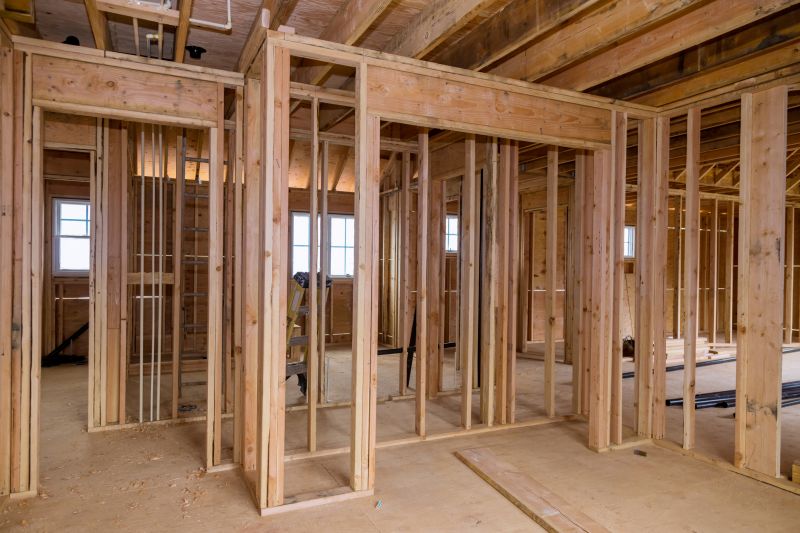
Before comparing commercial framing contractors, clearly define your project scope and verify their experience in similar builds.
- Verify experience with commercial framing projects similar in scope and size. - Ensure service providers can demonstrate a history of successful commercial framing work.
- Compare the scope of work outlined in written proposals to ensure all framing details are clearly defined. - Look for detailed descriptions of materials, methods, and project phases in contractor agreements.
- Check references or reviews to assess the reliability and quality of previous commercial framing projects. - Gather feedback from past clients about their satisfaction and project outcomes.
- Confirm that the contractor understands and can meet your specific design and structural requirements. - Discuss project plans to ensure alignment on framing specifications and expectations.
- Ensure that the scope of work includes provisions for handling changes or modifications during construction. - Clarify how change orders will be documented and managed in the project agreement.
- Review insurance and liability coverage to protect against potential damages or issues during framing work. - Verify that service providers carry appropriate coverage to mitigate risks.
Use this to compare local contractors, clarify project scope, verify experience, and set clear expectations.
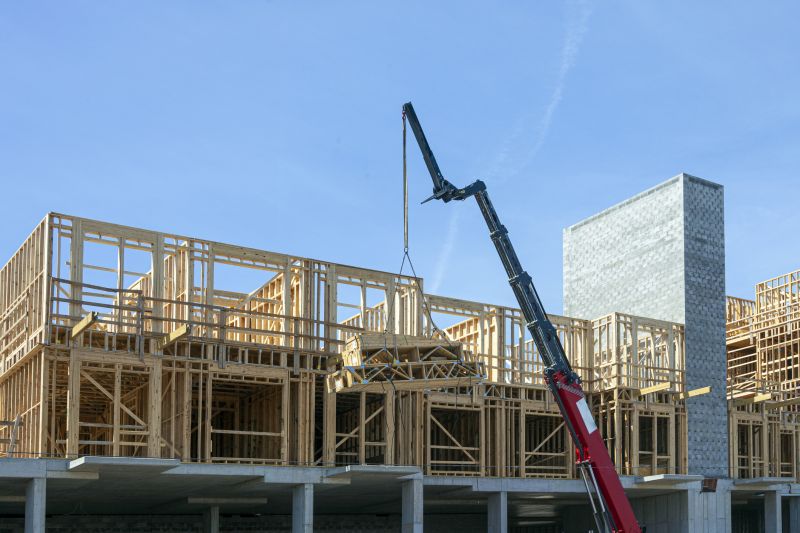

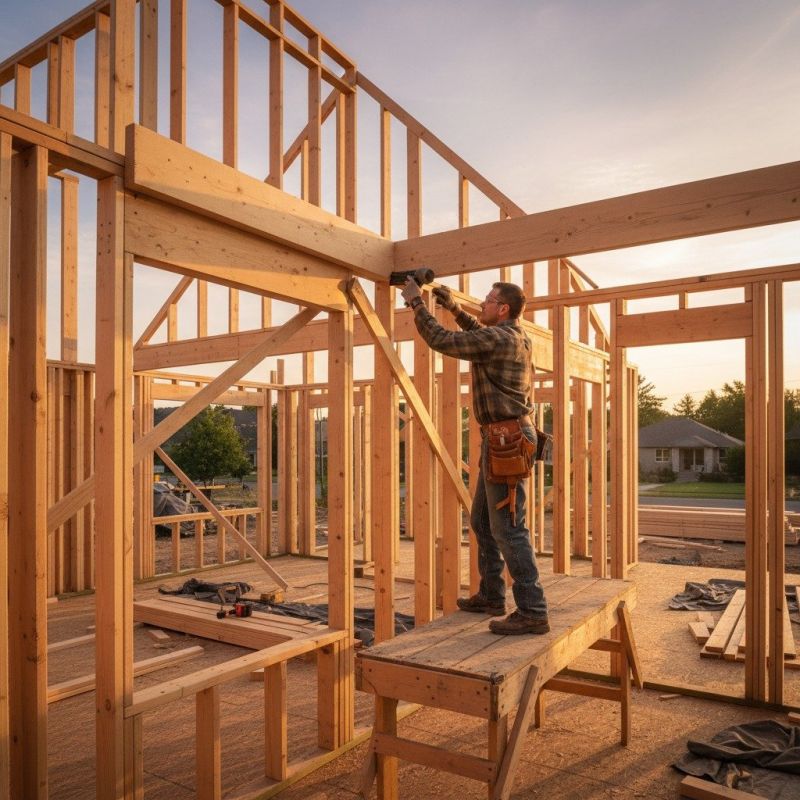
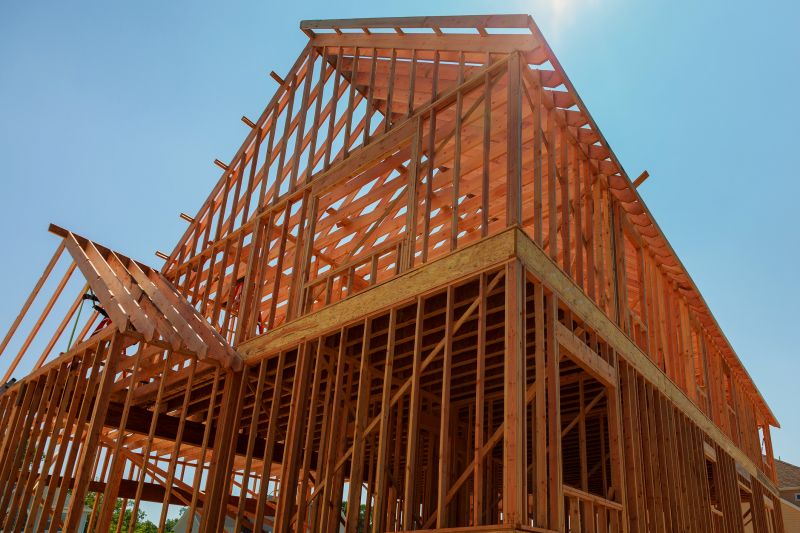
Learn how to compare commercial framing contractors, define your scope, verify experience, and set clear expectations in writing.
- Scope Definition - Clearly outline the specific framing tasks and materials required for the commercial project.
- Experience Verification - Confirm the local contractors' experience with similar commercial framing projects and industry standards.
- Material Specifications - Specify the types and quality of framing materials to be used in the scope of work.
- Project Expectations - Document the work process, deliverables, and responsibilities to ensure mutual understanding with service providers.
- Contractor Comparison - Evaluate and compare local contractors based on their scope clarity, experience, and ability to meet project requirements.
When evaluating contractors for commercial framing projects, it’s important to consider their experience with similar types of buildings and construction scopes. An experienced service provider will have a track record of completing projects comparable in size and complexity, which can help ensure they understand the specific demands of your project. Asking for examples of past work or references related to comparable projects can provide insight into their familiarity with the scope and requirements involved in commercial framing.
A clear, written scope of work is essential for setting expectations and avoiding misunderstandings. The scope should detail the specific tasks, materials, and standards the contractor intends to follow. When comparing options, look for proposals that outline these elements explicitly, as vague or overly broad descriptions can lead to confusion later on. A well-defined scope serves as a foundation for accountability and ensures both parties are aligned on what the project entails.
Verification of a contractor’s experience can be approached through various basic checks. Confirming the contractor’s history with similar projects, reviewing their portfolio, and requesting references from previous clients are practical steps. Additionally, understanding their familiarity with local building codes and standards relevant to commercial framing can help gauge their readiness to handle your project’s specific requirements. These verification methods help identify service providers with the appropriate background and expertise.
When comparing different contractors, focus on how well their proposals align with your project’s needs. Evaluate the level of detail in their scope, the clarity of their communication, and their ability to demonstrate relevant experience. It’s beneficial to ask for written explanations of their approach, materials, and work processes. This will help ensure that expectations are clearly set and that the chosen service provider has the appropriate background to handle your commercial framing project effectively.
Ask contractors to provide written scope details to ensure clarity and consistency throughout the project.
- Experience and Portfolio - What specific commercial framing projects has each contractor completed that are similar in scope?
- Scope of Work - How do contractors define and document the full scope of framing work to ensure clarity?
- Materials and Methods - What framing materials and techniques do the service providers typically use for commercial projects?
- Project Management - How do contractors coordinate with other trades and manage project expectations during framing?
- Communication and Clarifications - What process do service providers follow to clarify project details and address scope changes in writing?
What should I consider when comparing commercial framing contractors? Focus on their experience, reputation, and ability to clearly define project scope in writing to ensure a smooth process.
How can I verify a contractor’s experience in commercial framing? Ask for references or examples of past projects similar in size and scope to your own to assess their expertise.
Why is it important to have a detailed scope of work in writing? A written scope helps set clear expectations, reduces misunderstandings, and provides a reference for project completion.
What questions should I ask a commercial framing contractor before hiring? Inquire about their previous projects, their approach to project management, and how they handle potential issues during construction.
How do I ensure a contractor is qualified for my commercial framing project? Review their experience, request references, and verify that they understand the specific requirements of your project type.
What is the best way to compare different commercial framing service providers? Evaluate their experience, communication clarity, scope definition, and the quality of their previous work to find the best match for your needs.
This page has highlighted key considerations for finding qualified contractors for commercial framing projects. Visitors learned how to compare local service providers by defining the scope of work, verifying relevant experience, and establishing clear expectations in writing. These steps can help ensure that the process of selecting a contractor is thorough and well-informed.
To move forward, using the quote form allows for easy comparison of available local contractors who can handle commercial framing needs. Connecting with multiple service providers through this method can support making a well-rounded decision based on the options in the area.